Before you embark on the journey of unearthing your family’s roots within Canada’s extensive historical landscape, understanding where to start is crucial. The country offers a wealth of resources that can assist in tracing genealogy and unveiling stories from the past. Here’s how you can efficiently navigate this process.
Explore Canada’s national archives and libraries
The Library and Archives Canada (LAC) is a treasure trove of historical records that can provide valuable insights into your family’s history. Accessible online and in-person, the LAC holds records such as census data, immigration documents, and military service files. By using their comprehensive tools, you can trace family members who might have immigrated to Canada, uncover marriage records, or discover military service details that offer a glimpse into your ancestors’ lives.
Utilize provincial and territorial archives
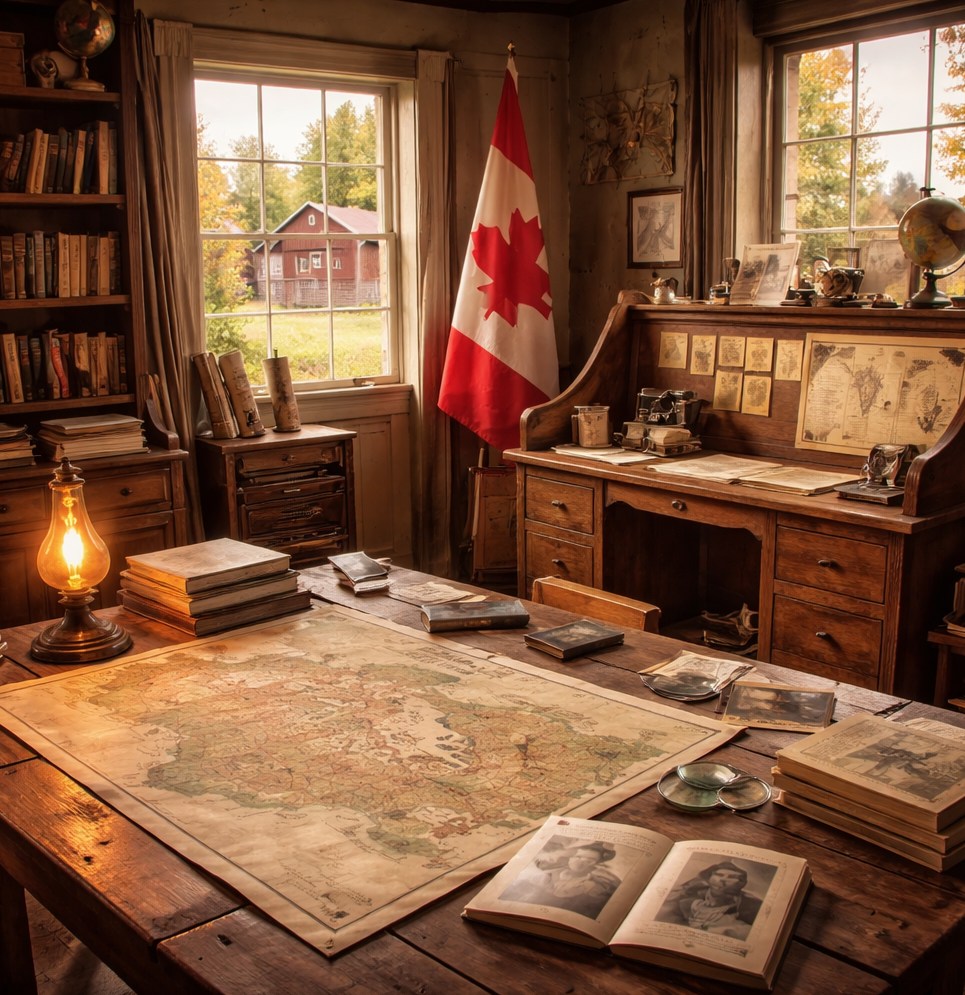 Each province and territory in Canada has its own archival resources that are crucial for genealogy enthusiasts. These archives often contain localized records unavailable at the national level, such as school records, local censaries, and land grants. Visiting these archives can be instrumental in piecing together the specific details of your family’s regional history.
Join genealogy societies
Genealogy societies across Canada are vibrant communities passionate about family history research. Becoming a member of one can offer networking opportunities with experienced genealogists who can provide guidance and share resources. Many societies also host workshops, lectures, and conferences that delve into various aspects of genealogical research, offering a collaborative environment to learn and grow your understanding.
Access online databases and platforms
Numerous online genealogy platforms provide expansive databases that are valuable for tracking down ancestors. While some of these platforms may require a subscription, they often hold millions of records that can significantly aid your research. By using search features specific to Canada, you can narrow down results to find pertinent information quickly.
Engage with local historical societies
Local historical societies are dedicated to preserving and promoting the history of specific areas. By engaging with these groups, you can access unique resources such as oral histories, photographs, and documents that might not be available elsewhere. These societies often have members with extensive knowledge about the local area, which can provide additional context for your family’s past.
Consider DNA testing
DNA testing has become an increasingly popular tool for genealogical research. By analyzing your genetic makeup, you can discover links to distant relatives, uncover ethnic backgrounds, and fill in gaps in your family tree. While genetic testing should be considered alongside traditional research methods, it offers unique insights that can enrich your understanding of your heritage.
Document and share your findings
Once you’ve gathered information about your family history, documenting your findings is essential. Create a family tree that details your ancestors’ lives and share it with family members. This can foster a sense of connection to your heritage and ensure that your discoveries are preserved for future generations. Additionally, consider writing a narrative or compiling a scrapbook that tells your family’s story, bringing together documents, photographs, and personal anecdotes.
By exploring these avenues, you’re not just uncovering names and dates—you’re piecing together the fabric of your family’s past. Each discovery adds a layer to your understanding of where you come from and the rich tapestry of Canada’s history that your ancestors contributed to. Embrace this journey with curiosity and dedication, and you may uncover stories that illuminate your present and future.